Tempered Safety Glass Engineered for Strength, Safety & Code Compliance
CN Glass Pro manufactures heat-treated safety glass for shower doors, railings, partitions, storefronts, furniture, interior projects, and architectural systems. For wholesale and OEM customers, tempering is not only a process — it is the safety foundation of the final product.
Why Tempering Matters
For shower doors, railings, partitions, and architectural systems, customers are not only buying glass. They are buying safety performance, installation reliability, and risk control.
Ordinary Glass Breakage
Annealed glass may break into large sharp pieces, which can create higher safety risks in exposed applications.
Tempered Glass Breakage
Tempered glass is designed to break into smaller fragments, improving safety performance for many applications.
Tempered vs Annealed Glass
This comparison helps buyers understand why tempered safety glass is commonly required for high-risk and exposed glass applications.
| Feature | Tempered Glass | Annealed Glass |
|---|---|---|
| Strength | Higher | Standard |
| Safety | Better | Standard |
| Impact Resistance | Higher | Lower |
| Thermal Resistance | Higher | Lower |
| Shower Doors | ✓ Recommended / Required | Not recommended |
| Glass Railings | ✓ Commonly specified | Limited |
| Storefronts | ✓ Suitable | Limited |
Before Tempering Checklist
All cutting, edge polishing, drilling, notching, cut-outs, and hardware preparation must be completed before tempering. After tempering, glass cannot be cut, drilled, or modified without breaking.
Typical Products Using Tempered Glass
Tempered safety glass is widely used in residential, commercial, architectural, and OEM glass products.
Why Architects, Retailers & OEM Buyers Specify Tempered Glass
The value of tempered glass is not only strength. It helps reduce safety risk, improve product reliability, and meet project expectations.
Code Compliance
Tempered glass is commonly required in safety-critical and exposed glass applications.
Human Impact Safety
Safer fragmentation helps reduce injury risk compared with ordinary annealed glass.
Improved Strength
Heat treatment improves strength and impact resistance for finished glass products.
Long-Term Reliability
Suitable for repeated-use products such as doors, railings, and commercial interiors.
Common Tempered Glass Specifications
| Specification | Details |
|---|---|
| Glass Thickness | 4mm – 19mm |
| Maximum Size | Custom Available |
| Clear Glass | ✓ Available |
| Ultra Clear Glass | ✓ Available |
| Grey Tinted Glass | ✓ Available |
| Bronze Tinted Glass | ✓ Available |
| Acid-Etched Glass | ✓ Available |
| Silk Screen Glass | ✓ Available |
Need-to-Know
| Need | Answer |
|---|---|
| Safety glass available? | ✓ Yes |
| Custom sizes? | ✓ Yes |
| Can it be drilled after tempering? | No |
| Heat soak testing available? | ✓ Available |
| Suitable for OEM production? | ✓ Yes |
| Suitable for container supply? | ✓ Yes |
Heat Soak Testing Available for Higher-Risk Projects
For projects requiring additional protection against spontaneous breakage, Heat Soak Testing can be performed after tempering. This is especially valuable for glass railings, facades, overhead glass, and demanding architectural projects.
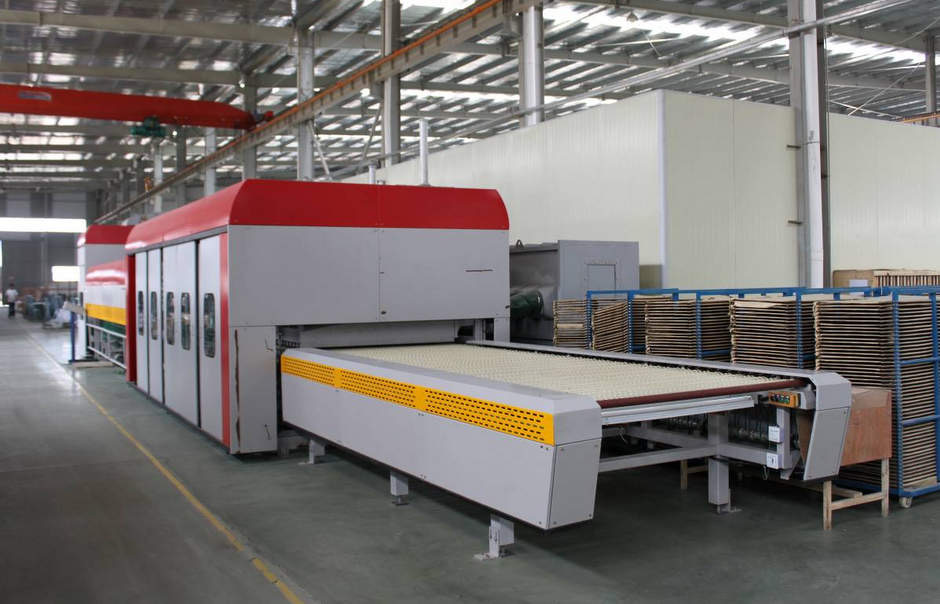
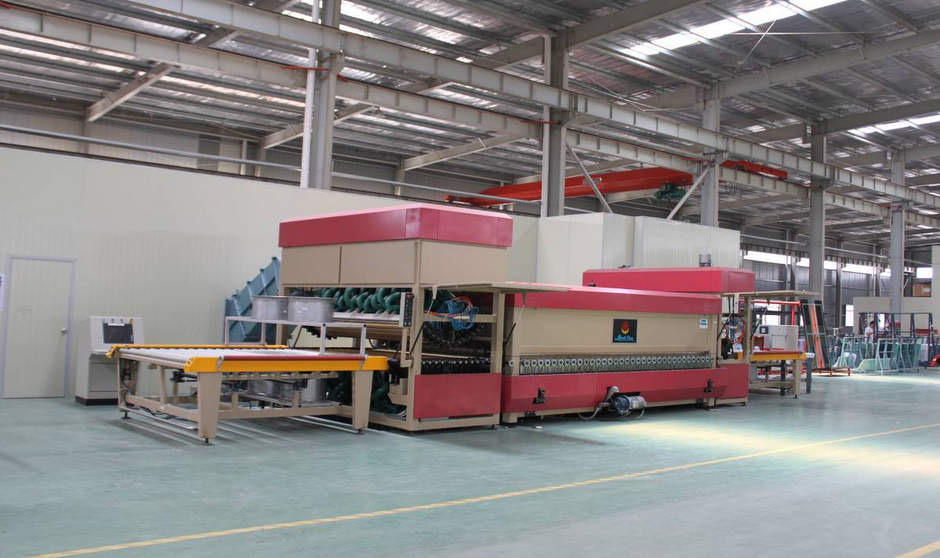
OEM Tempered Glass Manufacturing Capability
For long-term wholesale and OEM customers, stable tempering quality and batch consistency are essential for repeat orders and container programs.
Tempering Production Flow
Tempering occurs after all machining steps are complete and before advanced processing or final export packaging.
Why Choose CN Glass Pro for Tempered Safety Glass?
We are positioned for glass retailers, shower door brands, railing companies, contractors, importers, and OEM customers that need reliable tempered glass manufacturing, repeatable quality, and export-ready supply programs.
Quick Answers
Can tempered glass be cut after tempering?
No. All cutting, drilling, notching, and edge processing must be completed before tempering.
Is tempered glass stronger than annealed glass?
Yes. Tempered glass is heat-treated to improve strength, impact resistance, and safety performance.
When should heat soak testing be considered?
Heat soak testing may be considered for higher-risk projects such as railings, facades, overhead glass, and demanding architectural applications.