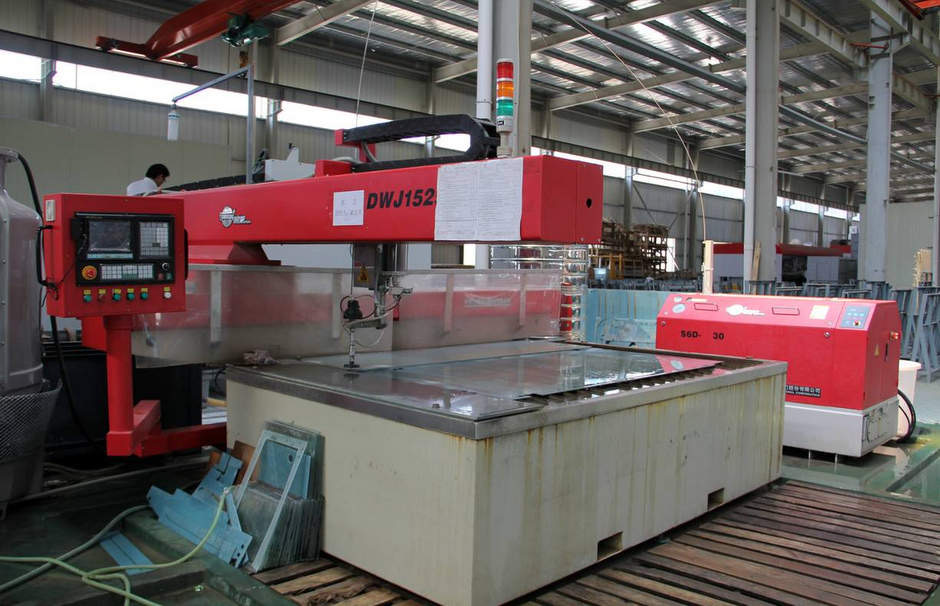
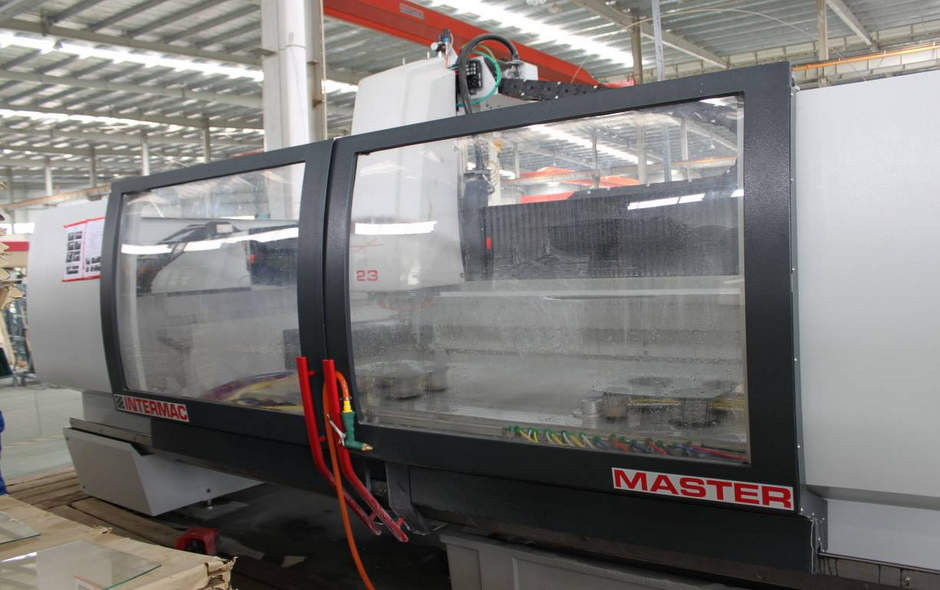
CNC Drilling, Notching & Hardware Preparation
Precision machining for shower doors, glass railings, partitions, glass doors, architectural systems, and OEM glass manufacturing. CN Glass Pro prepares glass components for hinges, handles, clamps, brackets, patch fittings, standoffs, and other hardware systems before tempering.
We Manufacture Glass Components Ready for Hardware Installation
For OEM customers, shower door brands, railing system suppliers, partition companies, and online glass retailers, drilling and notching are not just small processing steps. They determine whether the final glass product can be installed correctly with the intended hardware system.
Common Hole Types
Precision hole processing supports a wide range of hardware systems for doors, railings, partitions, and architectural glass components.
Round Holes
For handles, brackets, clamps, standoffs, and general mounting hardware.
Countersunk Holes
For flush-mounted hardware and architectural fixing systems.
Slot Holes
For adjustment systems, mounting tracks, sliding systems, and project hardware.
Large Diameter Holes
For patch fittings, door handles, and specialty glass hardware systems.
Double-Hole Patterns
For shower hinges, pulls, towel bars, and door hardware assemblies.
Custom CNC Openings
For OEM products, special hardware, and architectural glass projects.
Common Notch Types
Notches and cut-outs allow glass panels to fit hardware, walls, frames, tracks, and architectural connection systems.
Corner Notch
Used for glass railings, partitions, wall conditions, and custom assemblies.
U-Notch
For hardware accommodation, posts, tracks, and specialty installations.
Radius Notch
Radius corners help reduce stress concentration around internal cut-outs.
Hinge Notch
Commonly used for frameless shower doors and glass door systems.
Lock Notch
For glass doors, patch locks, access systems, and commercial applications.
Custom CNC Notch
Designed for customer drawings, hardware specifications, and OEM projects.
Hardware Compatibility
Manufactured according to customer drawings, hardware specifications, and OEM production requirements.
Common Installation Problems We Help Prevent
Incorrect hinge locations, holes too close to edges, hardware mismatch, sharp internal corners, and post-tempering modification requests can create expensive installation failures. Our engineering team reviews drawings before production to help reduce machining risks.
Engineering Design Guidelines
These general guidelines help reduce stress concentration and improve manufacturability. Final requirements may vary by glass type, thickness, hardware system, and project specification.
| Requirement | Recommendation |
|---|---|
| Hole Diameter | ≥ Glass Thickness |
| Hole-to-Edge Distance | ≥ 2 × Glass Thickness |
| Hole-to-Hole Distance | ≥ 2 × Glass Thickness |
| Internal Corners | Radius Preferred |
| Tempered Glass | Complete all machining before tempering |
Why Precision Machining Matters
For retailers, importers, and OEM brands, accurate machining improves installation success and reduces downstream risk.
Accurate Hardware Fit
Precise alignment with hinges, handles, clamps, brackets, and fittings.
Faster Installation
Accurate processing reduces site adjustments and installation time.
Lower Warranty Claims
Consistent machining helps reduce customer complaints and replacement risk.
Consistent Production
Repeatable dimensions across large-volume and long-term supply programs.
Shower Door Hardware Preparation
Shower door glass is one of the most common hardware-ready glass products. We prepare hinge cut-outs, handle holes, clamp cut-outs, wall bracket holes, and corner notches before tempering to support frameless and semi-frameless shower door systems.
OEM Manufacturing Capability
For long-term wholesale and OEM customers, we support repeatable machining programs based on drawings, templates, and hardware requirements.
Processing Capabilities
| Specification | Details |
|---|---|
| Glass Thickness | 4mm – 25mm |
| Round Holes | ✓ Available |
| Countersunk Holes | ✓ Available |
| Slot Holes | ✓ Available |
| Corner Notches | ✓ Available |
| Radius Notches | ✓ Available |
| Custom Cutouts | ✓ Available |
| CNC Machining | ✓ Available |
| Hardware Preparation | ✓ Available |
Need-to-Know
| Need | Answer |
|---|---|
| Precise hole positioning? | ✓ Yes |
| Multiple hole diameters? | ✓ Yes |
| Custom notches and cutouts? | ✓ Yes |
| Suitable for tempered glass? | ✓ Yes, before tempering |
| Suitable for laminated glass? | ✓ Yes |
| Complex hardware preparation? | ✓ Yes |
Production Flow
Drilling and notching connect the first two processing steps with tempering and final product assembly.
Typical Applications
Quick Answers
Can glass be drilled after tempering?
No. All drilling, notching, and cutout processing must be completed before tempering.
What is the minimum hole size?
As a general guideline, hole diameter should not be smaller than the glass thickness.
How close can a hole be to the edge?
Typically, the distance from the edge of the hole to the glass edge should be at least twice the glass thickness.