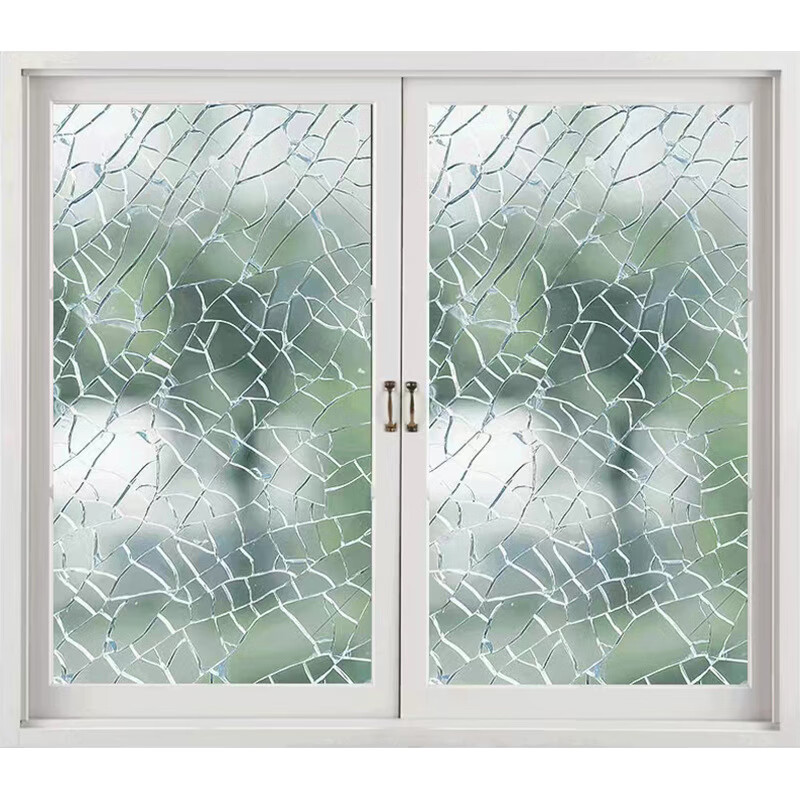
Heat Strengthened Glass for Architectural Glazing & Laminated Systems
Heat Strengthened Glass is produced through a thermal strengthening process similar to tempered glass but with a lower cooling rate. It provides higher strength and better thermal resistance than annealed glass, while maintaining lower internal stress than fully tempered glass.
Not Tempered Glass. Not Annealed Glass. A Smart Architectural Middle Ground.
Heat strengthened glass is often chosen when a project needs more strength than annealed glass, but does not require fully tempered safety glass. It is especially valuable as a base glass for laminated architectural systems, where lower distortion and lower spontaneous breakage risk are important.
Why Choose Heat Strengthened Glass?
Heat strengthened glass is a professional architectural choice, not simply a weaker version of tempered glass.
Higher Strength Than Annealed Glass
Typically about twice as strong as annealed glass, making it suitable for many architectural applications.
Lower Optical Distortion
Lower cooling intensity can reduce roller wave and optical distortion compared with fully tempered glass.
Lower Spontaneous Breakage Risk
Lower internal stress helps reduce the risk of spontaneous breakage compared with fully tempered glass.
Excellent for Laminated Glass
Frequently used in laminated glass for facades, overhead glazing, railings, and architectural systems.
Facade Friendly
Widely specified for curtain walls, spandrel panels, commercial buildings, and large architectural glazing.
Thermal Resistance
Offers better thermal resistance than annealed glass, supporting demanding exterior applications.
Technical Specifications
| Specification | Details |
|---|---|
| Available Thickness | 4mm – 19mm |
| Maximum Size | Up to 3300 × 13000 mm |
| Minimum Size | Subject to thickness and processing requirements |
| Laminating Available | ✓ Yes |
| Safety Glass | ✕ No |
| Best For | Curtain walls, laminated glass, spandrel panels, and architectural glazing |
Need-to-Know
| Need | Answer |
|---|---|
| Stronger than annealed glass? | ✓ Yes |
| Stronger than tempered glass? | ✕ No |
| Suitable for laminated glass? | ✓ Excellent |
| Lower spontaneous breakage risk? | ✓ Yes |
| Safety glass classification? | ✕ No |
| Suitable for curtain walls? | ✓ Widely used |
The Right Choice When Full Tempering Is Not Required
Heat strengthened glass is often specified when designers want improved strength and thermal performance, but also want lower optical distortion and lower internal stress than fully tempered glass. It is especially effective when laminated to create safety glazing systems.
Heat Strengthened vs Tempered Glass
The best choice depends on whether the project requires safety glass classification, optical quality, laminated structure, or lower spontaneous breakage risk.
| Feature | Heat Strengthened Glass | Tempered Glass |
|---|---|---|
| Relative Strength | About 2× annealed glass | About 4–5× annealed glass |
| Safety Glass Classification | ✕ No | ✓ Yes |
| Breakage Pattern | Larger fragments than tempered glass | Small granular fragments |
| Optical Distortion | Lower | Higher |
| Internal Stress | Lower | Higher |
| Spontaneous Breakage Risk | Lower | Higher |
| Curtain Wall Applications | Common | Common |
| Laminated Glass Applications | Highly recommended | Common |
Important: Heat Strengthened Glass Is Not Safety Glass by Itself
Heat strengthened glass does not break into small blunt fragments like fully tempered glass, so it is not classified as safety glass on its own. For safety-critical applications, it is commonly used as part of a laminated glass structure where the interlayer helps retain broken fragments.
When Should Heat Strengthened Glass Be Specified?
Heat strengthened glass is commonly selected for architectural applications where strength, flatness, and laminated performance matter.
| Project Requirement | Recommended Use |
|---|---|
| Large curtain wall panels | Heat strengthened glass or heat strengthened laminated glass |
| Spandrel glass | Heat strengthened glass is commonly used |
| Overhead glazing | Heat strengthened laminated glass |
| Glass railings and balustrades | Heat strengthened laminated glass when specified by design |
| Lower optical distortion requirement | Heat strengthened glass may be preferred |
| Safety glass required without lamination | Fully tempered glass is usually required |
Typical Applications
Heat strengthened glass is widely used in architectural glass systems, especially where laminated performance and visual quality are important.
Common Glass Combinations
Heat strengthened glass is often used as part of a larger architectural glass system.
Quick Answers
How strong is heat strengthened glass?
Heat strengthened glass is typically about twice as strong as standard annealed glass, but less strong than fully tempered glass.
Is heat strengthened glass considered safety glass?
No. Heat strengthened glass does not meet the same safety glass requirements as fully tempered glass unless it is used in a suitable laminated glass construction.
Why choose heat strengthened glass instead of tempered glass?
It offers improved strength with lower internal stress, often resulting in reduced optical distortion and a lower risk of spontaneous breakage.
Why Buy Heat Strengthened Glass From CN Glass Pro?
Heat strengthened glass requires correct specification, stable thermal processing, and careful coordination with laminating, IGU production, and facade requirements.
Engineering-Aware Supply
We help customers choose between annealed, heat strengthened, tempered, and laminated configurations based on project needs.
Stable Processing Control
We focus on glass flatness, optical appearance, edge quality, thermal processing, and finished inspection.
Architectural Project Support
We support curtain wall, facade, IGU, laminated glass, and export glass programs for global customers.
Related Glass Types
Need Heat Strengthened Glass for Your Project?
Send us your glass type, thickness, size, structure, quantity, drawings, project application, and destination port. We will help you confirm whether heat strengthened glass, tempered glass, or laminated safety glass is the best solution.