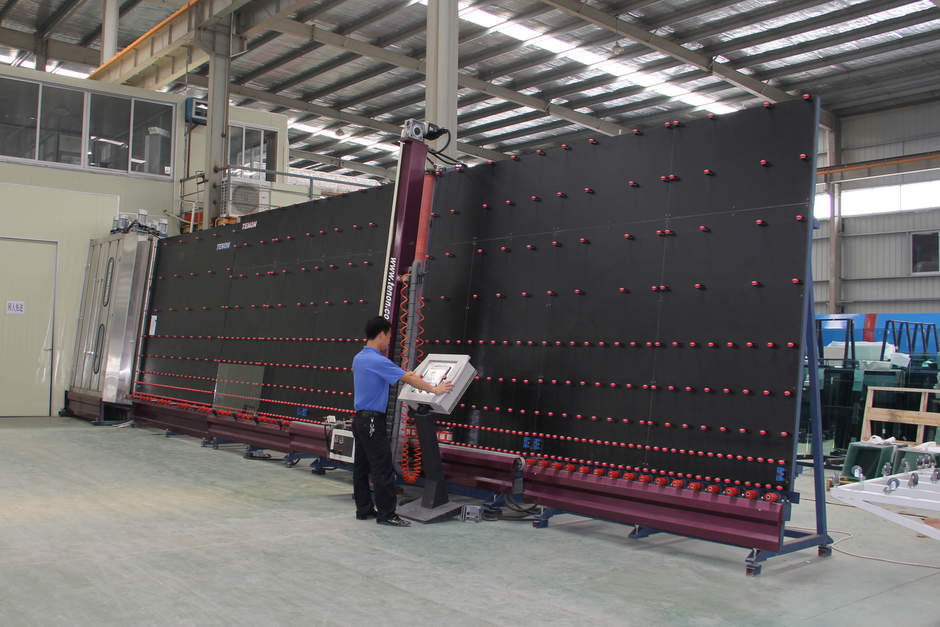
Insulated Glass Production for Energy-Efficient Building Systems
CN Glass Pro manufactures sealed Insulated Glass Units (IGUs) using multiple glass panes, spacer systems, desiccants, sealants, and optional air or argon-filled cavities. IGUs improve thermal insulation, energy efficiency, acoustic performance, condensation control, and occupant comfort for residential, commercial, and architectural glazing systems.
Why Insulated Glass Matters
IGUs are selected when building performance matters: energy saving, comfort, sound control, and long-term glazing reliability.
Energy Efficiency
Insulating cavities and Low-E options help reduce heat transfer through glazing systems.
Thermal Comfort
Improves indoor comfort by reducing heat loss in winter and solar heat gain in summer.
Acoustic Performance
Multi-pane structures can help reduce outdoor noise in urban and commercial buildings.
Condensation Control
Proper spacer, sealant, and desiccant systems help reduce condensation risk.
Common IGU Configurations
Different IGU structures can be specified according to energy performance, safety, sound control, and sustainability goals.
Double Glazed Unit
Standard residential and commercial window systems.
Triple Glazed Unit
High-performance buildings and demanding climates.
Low-E IGU
Energy-efficient facades, windows, and curtain wall systems.
Laminated IGU
Safety, security, and acoustic applications.
Argon-Filled IGU
Improved thermal performance for energy-focused projects.
Bird-Friendly IGU
Sustainable building projects and façade applications.
IGU Manufacturing Built Around Spacer, Sealant & Cavity Performance
The quality of insulated glass depends on more than glass selection. Spacer type, desiccant, washing cleanliness, primary seal, secondary seal, gas filling, and inspection all affect long-term performance and durability.
Processing Capabilities
| Specification | Details |
|---|---|
| Glass Thickness | 3mm – 19mm |
| Double Glazing | ✓ Available |
| Triple Glazing | ✓ Available |
| Air-Filled Units | ✓ Available |
| Argon Gas Filled Units | ✓ Available |
| Low-E Compatible | ✓ Available |
| Maximum Size | Up to 3300 × 6000 mm |
Need-to-Know
| Need | Answer |
|---|---|
| Improved thermal insulation? | ✓ Yes |
| Energy efficiency? | ✓ Yes |
| Sound reduction? | ✓ Yes |
| Condensation control? | ✓ Yes |
| Low-E integration? | ✓ Yes |
| Gas-filled options? | ✓ Yes |
Insulated Glass Production Process
Each step affects long-term IGU durability, optical cleanliness, and seal performance.
Spacer Options
Spacer selection affects thermal bridging, condensation resistance, and long-term energy performance.
| Spacer Type | Benefits |
|---|---|
| Aluminum Spacer | Cost-effective and widely used |
| Warm Edge Spacer | Improved thermal performance |
| Stainless Steel Spacer | Reduced thermal conductivity |
| Composite Spacer | Enhanced energy efficiency |
Air Fill vs Argon Gas Fill
Argon gas is often specified when better thermal performance is required.
| Feature | Air Fill | Argon Fill |
|---|---|---|
| Cost | Lower | Higher |
| Thermal Performance | Standard | Improved |
| Energy Efficiency | Good | Better |
| Residential Applications | ✓ | ✓ |
| High-Performance Buildings | Limited | Recommended |
Important: IGUs Cannot Be Modified After Assembly
Once an insulated glass unit has been assembled and sealed, it cannot be cut, drilled, or modified. All dimensions, glass processing, coatings, holes, edge work, and project requirements must be confirmed before IGU assembly.
Compatible Glass Types
IGUs can be designed with multiple glass types depending on energy, safety, acoustic, decorative, and sustainability requirements.
Available Processing Combinations
Typical Applications
Quick Answers
What is an Insulated Glass Unit?
An IGU consists of two or more glass panes separated by a spacer and sealed around the perimeter to create an insulating cavity.
What gas is used inside insulated glass?
Air is commonly used, while argon gas is frequently specified for improved thermal performance.
Can IGUs include Low-E coatings?
Yes. Most modern energy-efficient IGUs incorporate Low-E glass to further reduce heat transfer.