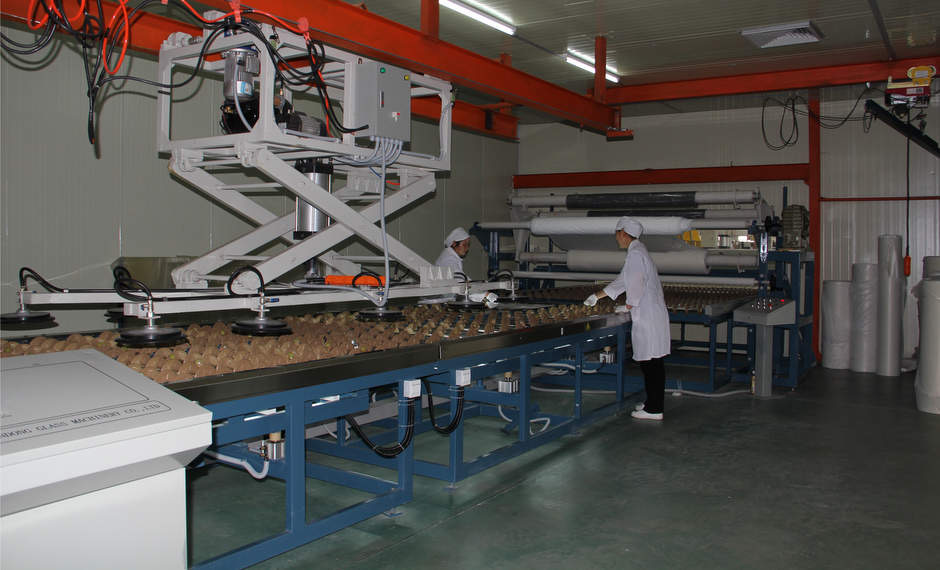
Laminated Glass Production for Safety, Security & Structural Performance
CN Glass Pro manufactures laminated glass by permanently bonding two or more glass panels with PVB, SGP, or EVA interlayers under heat and pressure. Laminated glass remains bonded when broken, improving safety, security, acoustic performance, UV protection, and post-breakage integrity for demanding architectural and OEM projects.
Why Laminated Glass Matters
Laminated glass is specified where safety, post-breakage retention, acoustic control, or structural performance is required.
Enhanced Safety
Broken fragments remain attached to the interlayer, reducing falling glass and injury risk.
Post-Breakage Integrity
The glass unit stays bonded after breakage, providing additional protection.
Acoustic Performance
Interlayers can help reduce sound transmission in busy urban environments.
UV Protection
Many laminated glass interlayers help reduce UV transmission for interior protection.
Common Interlayer Options
Choosing the right interlayer is the key to laminated glass performance.
PVB Interlayer
The most widely used option for standard architectural applications, clarity, UV protection, and sound reduction.
SGP Interlayer
High-strength ionoplast interlayer for structural glazing, hurricane applications, and minimal deflection.
EVA Interlayer
Commonly used for decorative and specialty laminated glass with inserts and design materials.
Post-Breakage Integrity for Safety-Critical Glass
The biggest advantage of laminated glass is that broken glass remains bonded to the interlayer. This is why laminated glass is widely used for railings, skylights, canopies, overhead glazing, curtain walls, hurricane-resistant glazing, and structural glass systems.
Processing Capabilities
| Specification | Details |
|---|---|
| Glass Thickness | 3mm – 25mm+ |
| Interlayer Options | PVB, SGP, EVA |
| Maximum Size | Up to 3300 × 13000 mm |
| Flat Laminated Glass | ✓ Available |
| Bent Laminated Glass | ✓ Available |
| Multi-Layer Laminates | ✓ Available |
| Safety Glass | ✓ Yes |
Need-to-Know
| Need | Answer |
|---|---|
| Safety glazing? | ✓ Yes |
| Sound reduction? | ✓ Yes |
| UV protection? | ✓ Yes |
| Security enhancement? | ✓ Yes |
| Structural glass applications? | ✓ Yes |
| Custom glass combinations? | ✓ Yes |
Typical Laminated Glass Configurations
| Configuration | Application |
|---|---|
| 5+5 Laminated Glass | General safety glazing |
| 6+6 Laminated Glass | Balustrades and railings |
| Tempered Laminated Glass | Curtain walls and facades |
| Low-E Laminated Glass | Energy-efficient buildings |
| SGP Laminated Glass | Structural glass systems |
| Multi-Layer Laminated Glass | High-security applications |
PVB vs SGP – Which Is Right for Your Project?
| Requirement | Recommended Interlayer |
|---|---|
| Standard Architectural Glass | PVB |
| Sound Control | PVB |
| Cost Efficiency | PVB |
| Structural Glass | SGP |
| High Wind Loads | SGP |
| Hurricane Resistance | SGP |
| Minimal Deflection | SGP |
All Processing Must Be Planned Before Laminating
Cutting, edge polishing, drilling, notching, tempering, heat strengthening, coating, printing, and bending requirements should be confirmed before laminated glass assembly. Once laminated, the finished unit cannot be modified like a raw glass sheet.
Laminated Glass Production Process
Quality laminated glass depends on clean glass, accurate assembly, air removal, autoclave bonding, and final inspection.
Available Glass Combinations
Available Processing Combinations
Typical Applications
Quick Answers
What is laminated glass production?
Laminated glass production bonds multiple glass layers using a transparent interlayer, creating a single safety glazing unit.
What happens when laminated glass breaks?
The glass fragments remain attached to the interlayer, reducing the risk of falling glass and injury.
Can tempered glass be laminated?
Yes. Tempered laminated glass is one of the most common architectural safety glass configurations.