
Tempered Glass for Safety, Strength & Modern Architecture
Tempered Glass, also known as toughened glass, is heat-treated to achieve significantly greater strength than standard annealed glass. From frameless shower doors to curtain walls, railings, partitions, doors, and table tops, tempered glass has become one of the global standards for safety glazing.
Tempered Glass Is the Core Safety Glass for Modern Projects
Tempered glass is not just stronger glass. It is a safety glazing solution used across residential, commercial, architectural, furniture, bathroom, and storefront applications. It can also be combined with laminated glass, insulated glass units, Low-E coatings, printing, and Heat Soak Testing for higher-performance projects.
Why Tempered Glass Is Widely Used
Tempered glass is selected when buyers need strength, safety, thermal resistance, and code-ready performance.
Higher Strength
Tempered glass is typically four to five times stronger than annealed glass of the same thickness.
Safer Breakage
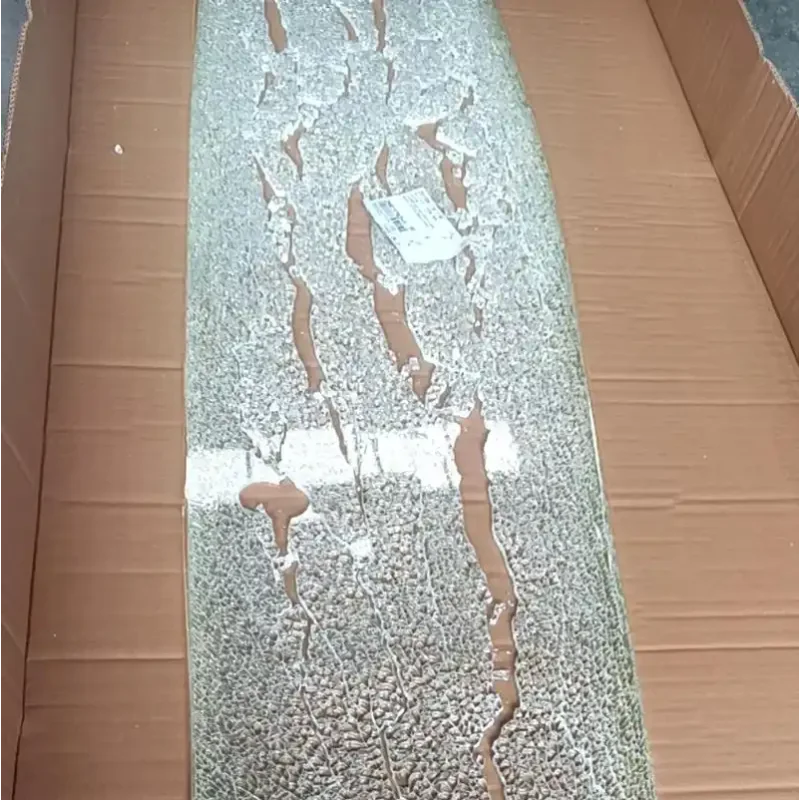
When broken, it shatters into small granular fragments instead of long sharp shards.
Thermal Shock Resistance
Better resistance to temperature differences makes it suitable for demanding environments.
Building Code Acceptance
Widely accepted around the world for many safety glazing applications.
Laminated Compatibility
Can be laminated for post-breakage integrity, railings, facades, and overhead glazing.
IGU Compatibility
Can be assembled into insulated glass units for windows, curtain walls, and facades.
Technical Specifications
| Specification | Details |
|---|---|
| Available Thickness | 3mm – 19mm |
| Maximum Size | Up to 3300 × 13000 mm |
| Minimum Size | Subject to thickness and processing requirements |
| Safety Performance | Excellent |
| Edge Processing | Required before tempering |
| Best For | Doors, railings, facades, shower enclosures, and safety glazing |
Need-to-Know
| Need | Answer |
|---|---|
| Safety glass? | ✓ Yes |
| Higher strength than float glass? | ✓ Yes |
| Drilling and cutouts available? | ✓ Before tempering |
| Suitable for laminated glass? | ✓ Yes |
| Suitable for insulated glass? | ✓ Yes |
| Building code compliance? | ✓ Widely accepted worldwide |
All Processing Must Be Finished Before Tempering
This is one of the most important rules for tempered glass buyers. Once glass has been tempered, it cannot be cut, drilled, notched, or edge-polished again. Final dimensions, holes, cutouts, edge finish, and printing must be confirmed before production enters the tempering furnace.
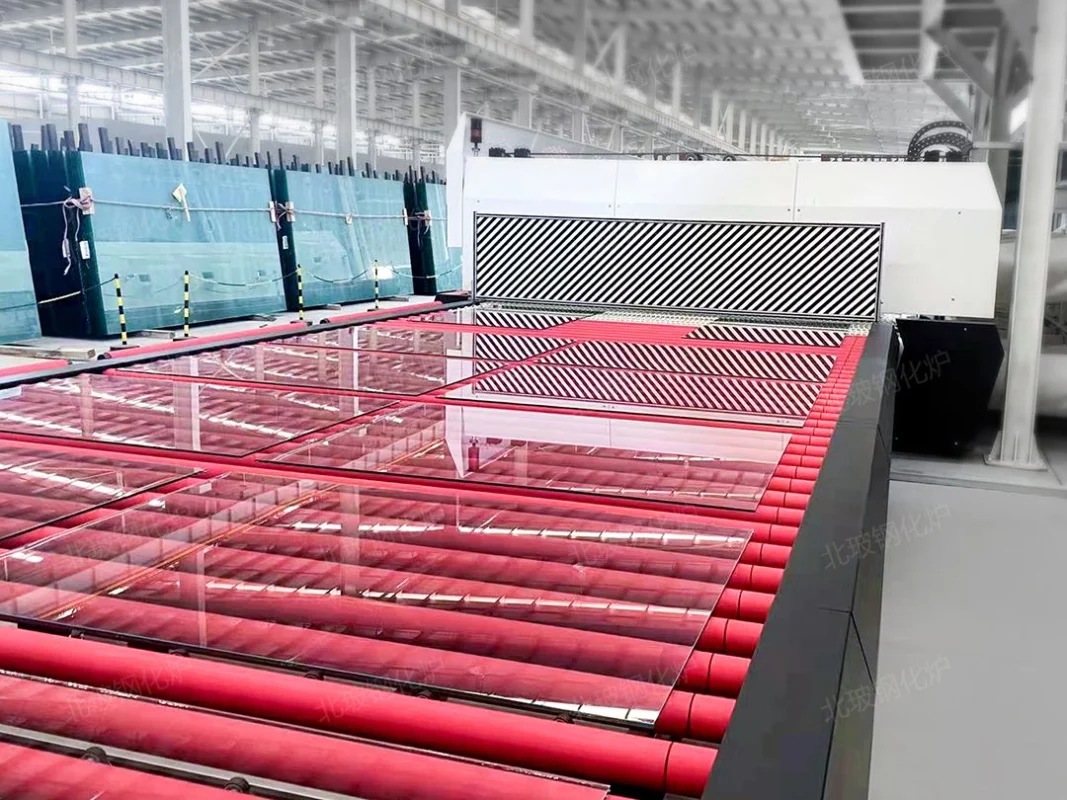
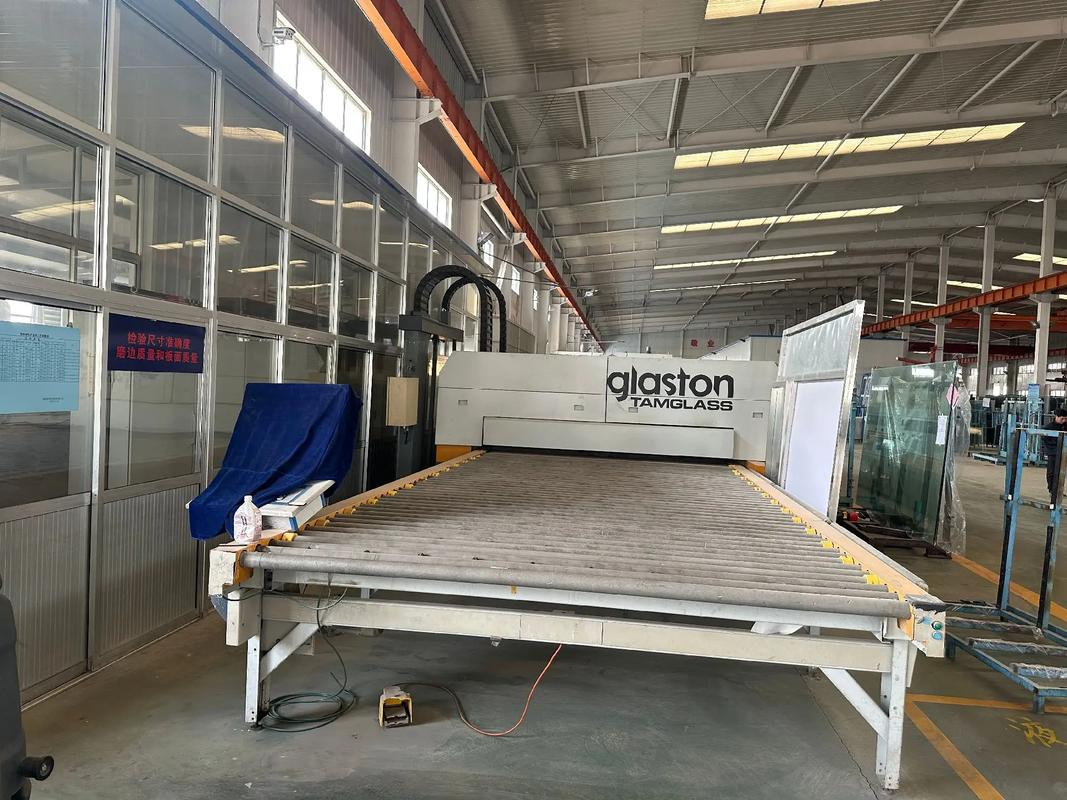
Tempered Glass Manufacturing Route
This process connects multiple glass processing steps into one complete safety glass production flow.
What Can Be Done Before and After Tempering?
This table helps avoid one of the most common mistakes in tempered glass ordering.
| Operation | Can Be Done? | Important Note |
|---|---|---|
| Cutting to size | ✓ Before tempering | Final size must be confirmed before tempering |
| Edge polishing | ✓ Before tempering | Required for exposed edges and safety handling |
| Drilled holes | ✓ Before tempering | Hole size and position must follow design rules |
| Cutouts and notches | ✓ Before tempering | Inside corners should use radius corners where possible |
| Silk screen printing | ✓ Before tempering | Ceramic ink can be fired during tempering |
| Heat Soak Testing | ✓ After tempering | Optional quality process to reduce NiS breakage risk |
| Cut again after tempering | ✕ No | Tempered glass cannot be re-cut |
| Drill again after tempering | ✕ No | All holes must be completed before tempering |
Typical Applications
Tempered glass is used wherever stronger and safer glass is required.
Do You Need Heat Soak Testing?
Heat Soak Testing is an optional post-tempering quality process used to reduce the risk of spontaneous breakage caused by nickel sulfide inclusions. It is often specified for facades, curtain walls, canopies, skylights, overhead glazing, high-rise buildings, and other safety-critical projects.
Tempered Glass vs Annealed Glass
Understanding the difference helps buyers choose the correct safety level for their application.
| Feature | Tempered Glass | Annealed Glass |
|---|---|---|
| Strength | Higher, typically 4–5× stronger | Standard |
| Breakage Pattern | Small granular fragments | Sharp shards |
| Safety Performance | Excellent | Limited |
| Thermal Shock Resistance | Better | Lower |
| Further Cutting After Production | ✕ No | ✓ Possible |
| Common Use | Safety glazing, doors, railings, shower doors | General glazing before further processing |
Common Processing Options
Tempered glass can be combined with many processing options when properly planned before tempering.
Buyer’s Checklist Before Requesting a Quote
Accurate information helps us quote faster, prevent production errors, and choose the correct processing route for your tempered glass order.
Common Myths About Tempered Glass
Professional buyers should understand both the strengths and limitations of tempered glass.
Can tempered glass never break?
No. Tempered glass is stronger and safer, but it can still break under impact, edge damage, installation stress, or rare internal inclusions.
Can tempered glass be cut after tempering?
No. Cutting, drilling, notching, and edge work must be completed before tempering.
Can tempered glass break spontaneously?
Rarely, yes. Nickel sulfide inclusions may cause spontaneous breakage. Heat Soak Testing can reduce this risk.
Quick Answers
How much stronger is tempered glass?
Tempered glass is typically four to five times stronger than standard annealed glass of the same thickness.
What happens when tempered glass breaks?
It breaks into small granular fragments rather than sharp shards, reducing the risk of injury.
Can tempered glass be laminated?
Yes. Tempered laminated glass combines the strength of tempered glass with the post-breakage safety of laminated glass.
Why Buy Tempered Glass From CN Glass Pro?
Tempered glass depends on more than the furnace. It requires correct pre-processing, quality control, packaging, and export experience.
Quality First
We focus on stable processing, dimensional accuracy, edge quality, and inspection before shipment.
Competitive Pricing
Our production and supply-chain model helps customers source safety glass efficiently from China.
Responsible Service
We help customers review specifications, prevent mistakes, and solve problems professionally.
Related Glass Types & Processing
Need Custom Tempered Glass?
Send us your glass type, thickness, size, drawings, quantity, edge finish, holes, cutouts, standards, and destination port. We will help you choose the right tempered glass solution for safety, performance, cost, and delivery.